
Charcoal box. Satin-black cups. Black cloth, silver flower.
White · Version 2 / The cup pair · Design concept, final products may differ.
CHAPTER 01 / THE FIRST BUNDLE
차림 CHARIMThe Korean
Tea Ritual.
Two cups. A thoughtful pour.
A little time that belongs to you.
A Korean tea ritual in white and celadon, with a small pearl-like flower.
Baekja whitePale celadon
ESTIMATED LAUNCH PRICE
$198USD · The ritual set
Same price for Black and White. Add the white hardcover diary for $28.
Estimated price; final quantities and production costs to be confirmed. Shipping and tax extra. No payment collected.
FIRST RELEASE · IN DEVELOPMENT
TWO EXPRESSIONS / BLACK & WHITE
One small flower.
Two ways to bring it home.
깊은 검정과 단정한 흰색.
좋아하던 두 가지 분위기를 함께 담았습니다.
White box. White-and-celadon cups. Celadon cloth, silver flower.
백자색 박스, 검정 꽃무늬 띠지, 청자색 천.
FIRST, THE LEAVES · 잎차
Know the tea
before the first pour.
Six varieties, from green tea to barley and fruit. Find your ingredients and preparation below.
Explore the six teas ↓Tea origins & selection
Loose-leaf tea is steeped in water and then separated from the drink. You use the pot to give the leaves room, and the cups to appreciate the color, fragrance and taste.
One Korean tea-making tradition to explore is deokkeum, or pan-firing. Ssanggye’s Ilsangdawan describes its Jakseol tea as young leaves prepared with this method. It is a real tea-making reference for our research; the tea inside Charim has not yet been selected.
Explore a Korean tea producer · Ssanggye / Ilsangdawan ↗Explore six Korean teas & drinks · ingredients, portraits & preparation ↗- Planned category
- Korean loose-leaf green tea
- What to notice
- The dry leaf, the aroma after brewing, the liquor’s color, the first sip and the finish
- What comes next
- Producer, region, harvest, leaf grade, net weight and the final brewing recipe
The pouch shown is a packaging concept. Tasting notes will be written for the selected tea, rather than assigned to an untested batch. Green tea contains caffeine.
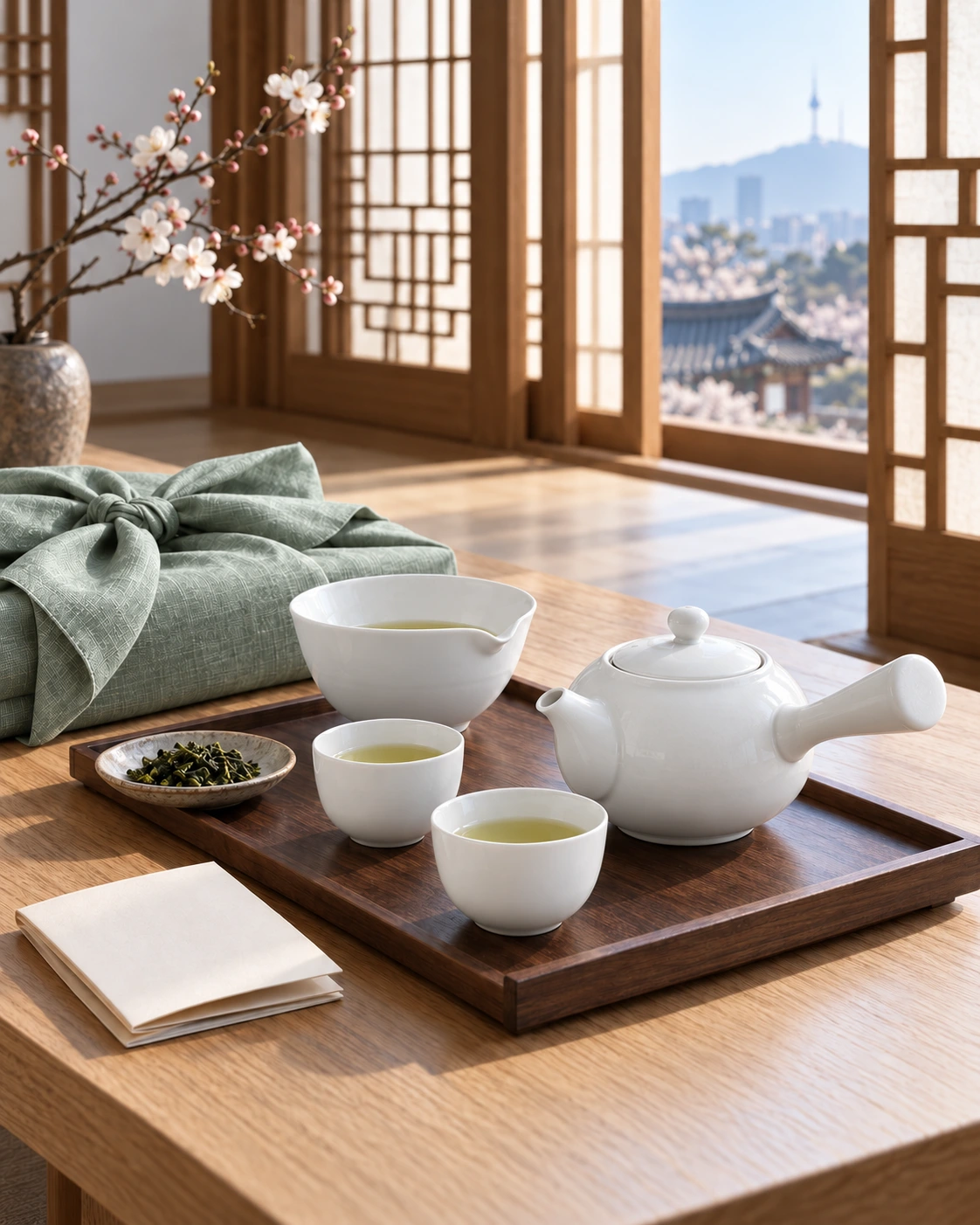
FROM LEAF TO CUP · 차 우리는 법
A clear sequence.
Room to find your taste.
A first-time guide for loose-leaf green tea.
Use the chosen tea’s label for the amount of leaf and water.
Water temperature & timing
AN ILLUSTRATIVE STARTING RANGE70–80°C / 158–176°F2–3 minutes
For practice with a green tea you already own, this sits within the ACC’s published 60–80°C, 2–3 minute introduction. A delicate tea may need cooler water or a shorter steep. Its own producer’s recipe takes priority; this is not a confirmed recipe for the future Charim tea.
Brewing context · National Asian Culture Center ↗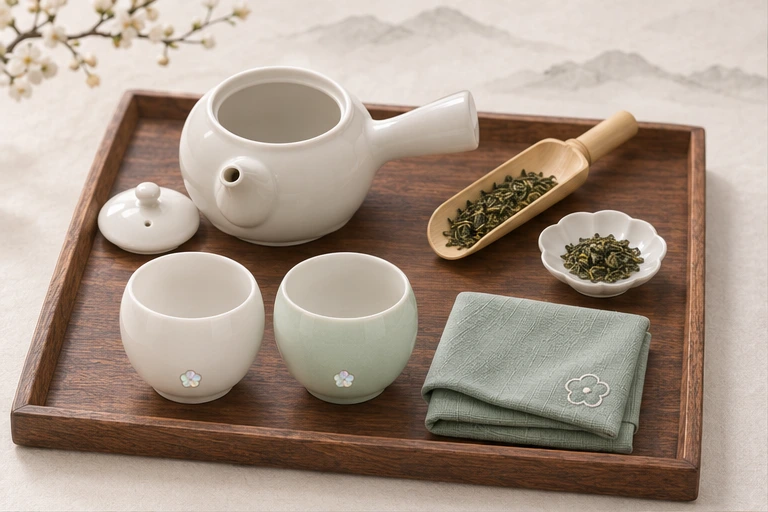 01
Set out & measure
Measure using your tea’s directions. Warm and empty suitable teaware.
Step details
Place the tray, cloth, pot and cups on a stable surface. Measure the leaf and water according to the tea packet. Warm heat-safe teaware with a little warm water, then empty it.
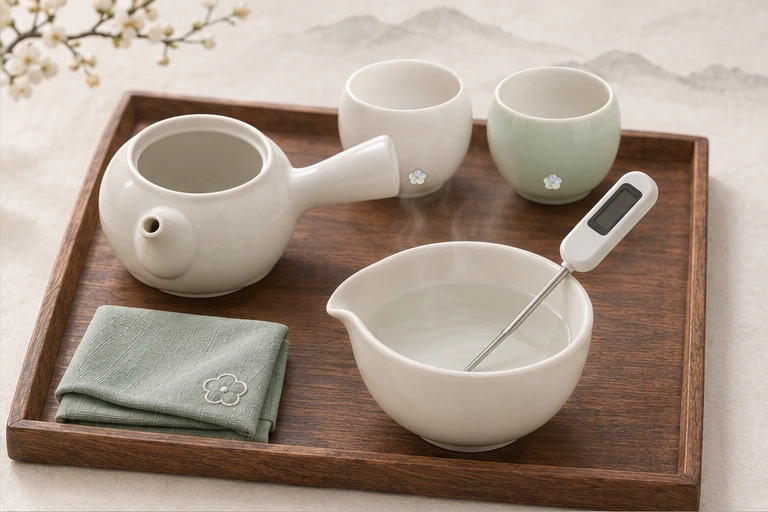 02
Cool the water
Bring water to the recommended temperature; check it with a thermometer.
Step details
Heat fresh drinking water, then bring it to your tea’s recommended temperature. A cooling bowl gives you a place to pour and check it before it reaches the leaves; use a thermometer rather than guessing.
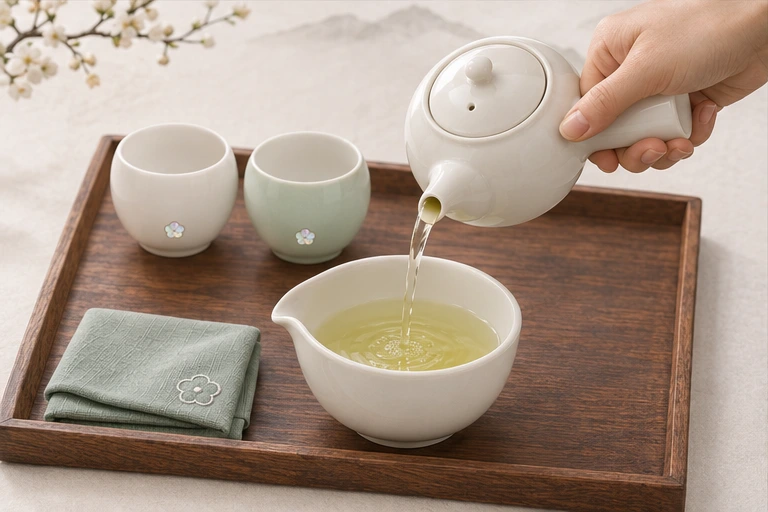 03
Steep, then decant
Steep for the recommended time, then separate the tea from the leaves.
Step details
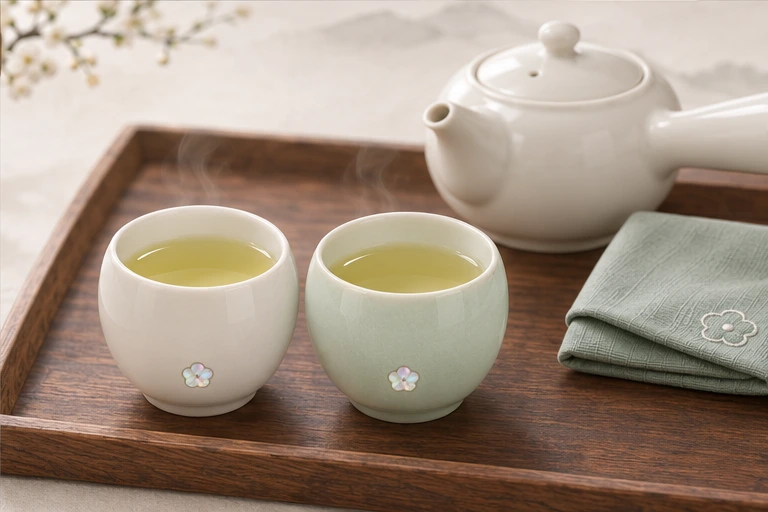
Add the leaves and water to the pot. Start timing when the water meets the leaves. At the end of the steep, pour off the tea so the leaves do not keep sitting in the drinking liquor.
 04
Share & notice
Let it cool comfortably. Notice the aroma, then sip.
Step details
Pour a little into each cup in turns for a similar strength. Let the tea become comfortable to sip. Look at its color, notice the aroma, then take a small sip and let the finish settle.
Generated concept illustrations of our contemporary loose-leaf routine. Open each image for a closer look.
If the cup tastes too strong +
On your next brew, shorten the steep or use less leaf within the producer’s guidance. Change one thing at a time and note the result. Tea, leaf size and water differ; a single time and temperature do not suit every green tea.
Another infusion & putting things away +
If the producer recommends re-steeping, use its guidance for the next infusion. After the session, remove the spent leaves, clean the vessels according to their maker’s instructions and let the teaware and cloth dry before storage. Final ceramic, decorative-finish and textile care directions will come with the production specification.
01 / THE CUP DESIGN
Different shades.
The same little bloom.
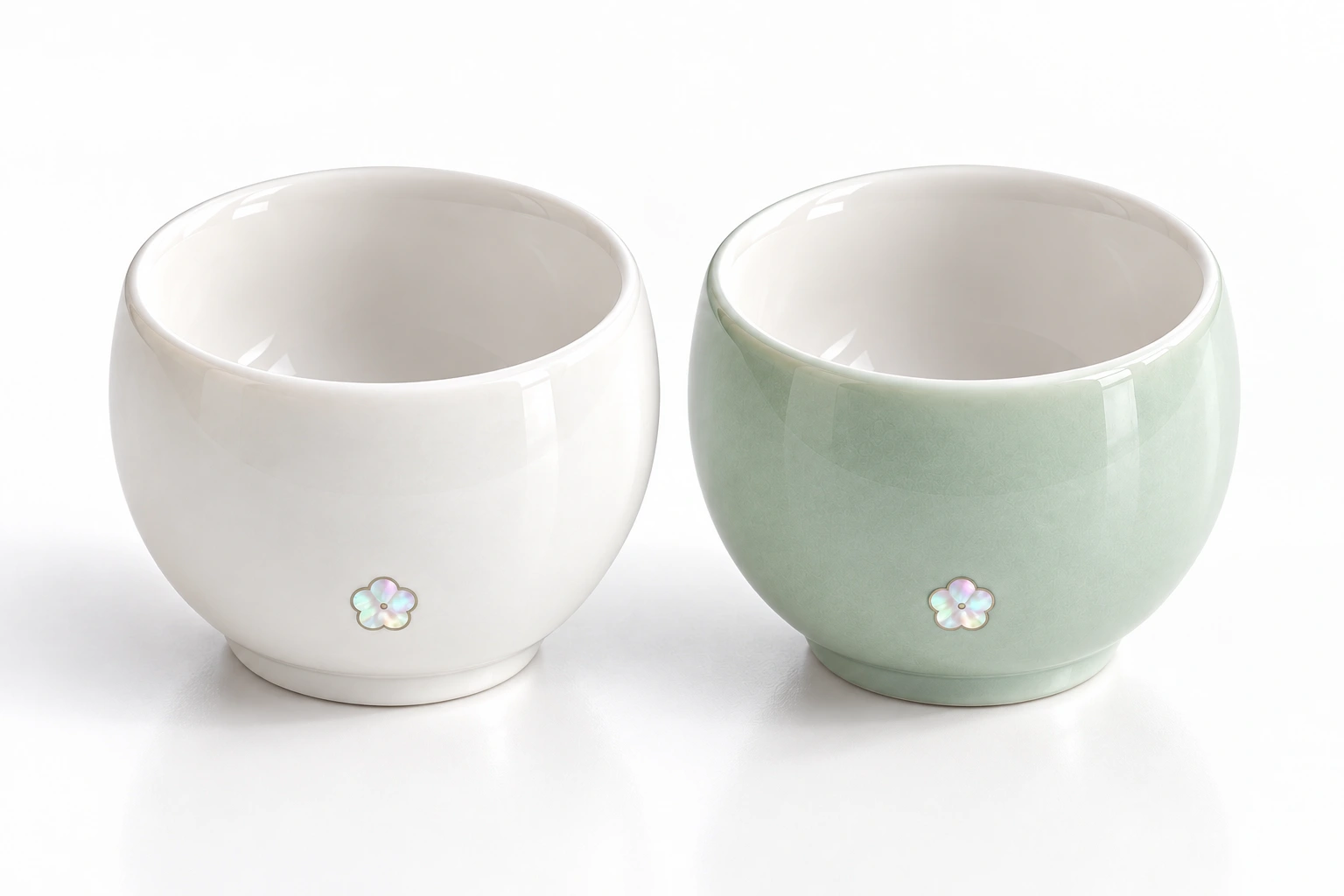
Black. White. Celadon.
Just a trace of pearl.
 Explore the cups in detail ↗
01
A quiet silhouette
A low, rounded, handleless cup with a small plain ceramic foot. The proposed pair shares one simple form.
02
A small flower, outside
The pearl-like five-petal flower sits low on the exterior. The interior and drinking rim stay visually plain.
03
A trace of nacre
The small flower carries the mother-of-pearl-inspired shimmer. The foot stays plain, with no decorative band. It is a proposed decorative effect, not a claim of shell inlay or an approved production finish.
04
White & celadon, together
A soft white cup and a pale green cup make a pair that feels related, with a little difference between them.
THE INDIVIDUAL DESIGNS · 각각의 찻잔
Your shade.
A different kind of light.
Explore each cup on its own.
One pearl-like flower. A plain ceramic base.
Bloom Edition
White cup백자빛
Soft white glaze, a rounded body and a plain ceramic foot.
Bloom Edition
Celadon cup청자빛
Pale celadon glaze, the same rounded body and a plain ceramic foot.
Bloom Edition
Satin black cup먹빛
The same rounded Bloom form in a satin-black glaze concept, with a subtle mineral-like surface, a softly glossy interior and a plain ceramic foot.
Bloom Edition places the nacre-inspired detail only in the flower. The flower’s iridescent appearance is a proposed ceramic finish; genuine shell, application method and final material specifications are not confirmed. The interior and drinking rim stay plain.
Cup close-ups & the proposed making process ↗THE VESSELS · 백자와 청자의 색
What each piece does.
How it could be made.
White, celadon or satin black. One rounded form, a small flower and a plain foot.
Porcelain context
Baekja’s whiteness is shaped by its clay, glaze and firing. The Miryang City Museum describes white, milky and bluish-white variations. The color names on our concept board describe a design direction; the final clay body and glaze will be specified with a ceramic maker.
Ceramic context · Miryang City Museum ↗Vessel roles & specifications
- The side-handle pot
- Holds the leaf during brewing and gives you a controlled pour. Capacity, straining method and balance need to be resolved in a real prototype.
- The cooling bowl · 숙우
- A separate vessel for cooling and transferring water before brewing. It is a tool for adjusting preparation, not a requirement for every tea.
- The two cups
- Small handleless forms for one person or a shared session. White pairs white and celadon; Black pairs two satin-black cups. Final volume and drinking-rim thickness are to be confirmed.
- The tray
- Keeps the pieces together and defines a small tea place. Final wood species, coating and water resistance will be set during development.
 01
Form
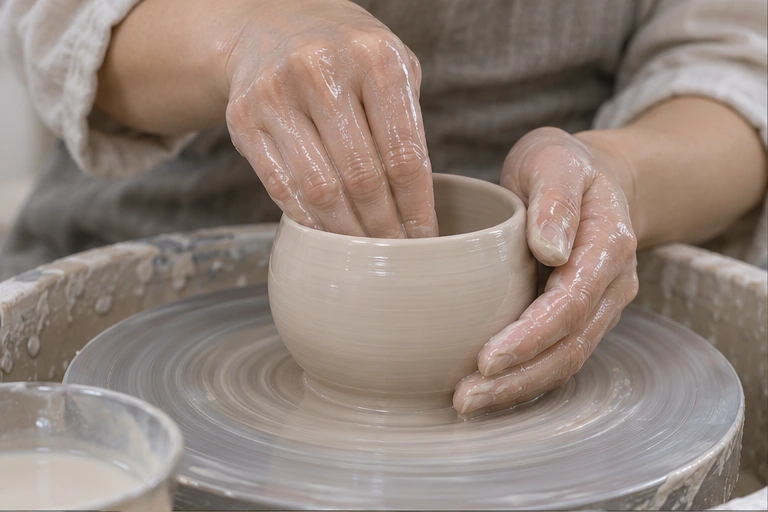
Model the silhouette and choose a forming method with the maker.
 02
Dry & refine
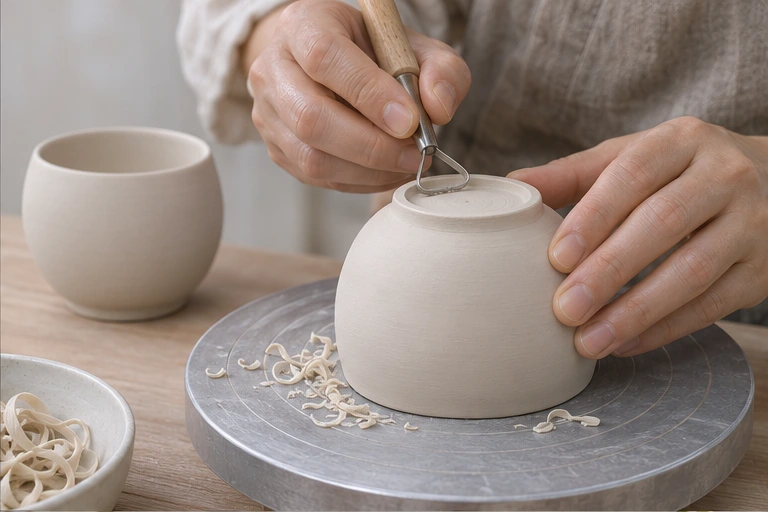
Dry the body, refine the rim and foot, and prepare it for the agreed firing process.
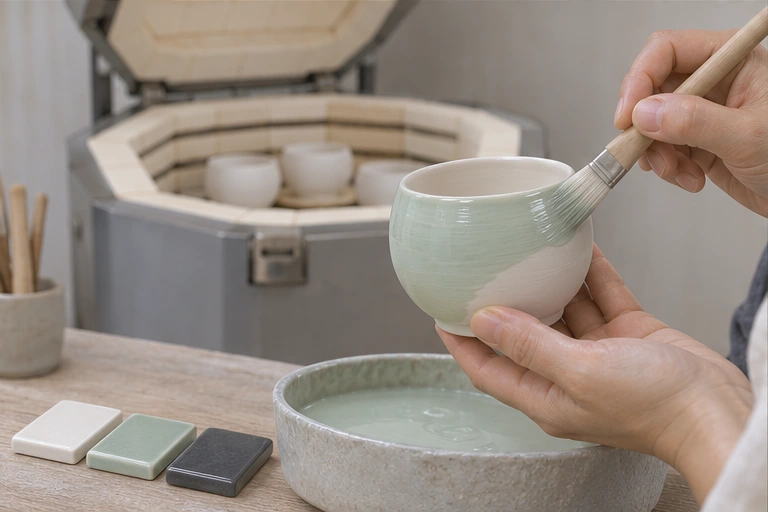 03
Glaze & fire
Test the clay–glaze combination and kiln process for the white, celadon and satin-black finishes.
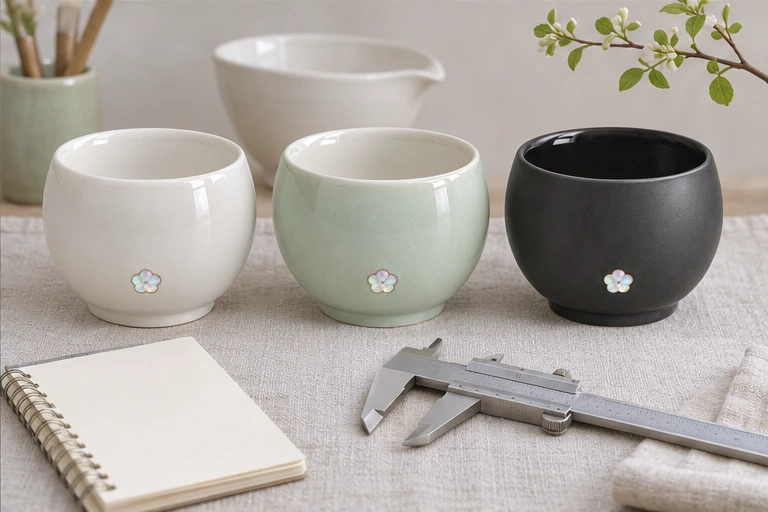 04
Test the real object
Check pouring, capacity, food-contact suitability, decorative durability and care before approval.
Generated process concepts · final maker, method and firing schedule to be confirmed.
MILLION ROUTINES / 차림
A place for every tea.
A name you can find.
Six teas. One flower.
Six numbers, ingredients and botanical details.
01 / 녹차
Korean green tea
Tea leaves
Ingredients & packaging
Processed Camellia sinensis leaves. A leaf tea to steep, then strain.
- Proposed format
- Loose-leaf pouch
- Find it by
- Celadon / a tea-leaf twig. The printed number and name identify the tea as well as the color.
- Shared identity
- The original black flower logo, million routines and 차림, with a clear ingredient label.
Six packaging concepts · final producers, ingredients, weights, allergen labels and food-contact packaging to be confirmed.
KEEP THE RITUAL GOING
Keep your cups.
Meet your next tea.
Explore proposed Korean tea deliveries from $24, plus shipping. Teaware stays with you; the tea is what returns.
02 / THE UNBOXING
A little anticipation.
A considered place for everything.
White · Version 2
White box. White-and-celadon cups. Celadon cloth, silver flower.
Before the first pour
A white outer box with the black flower logo, a black nacre-floral band and a celadon tea pouch.
Open a little time for yourself
Six numbered tea pouches, alongside the vessels, cloth and printed guide.
Generated set concepts · final contents, quantities and packing plan to be confirmed.
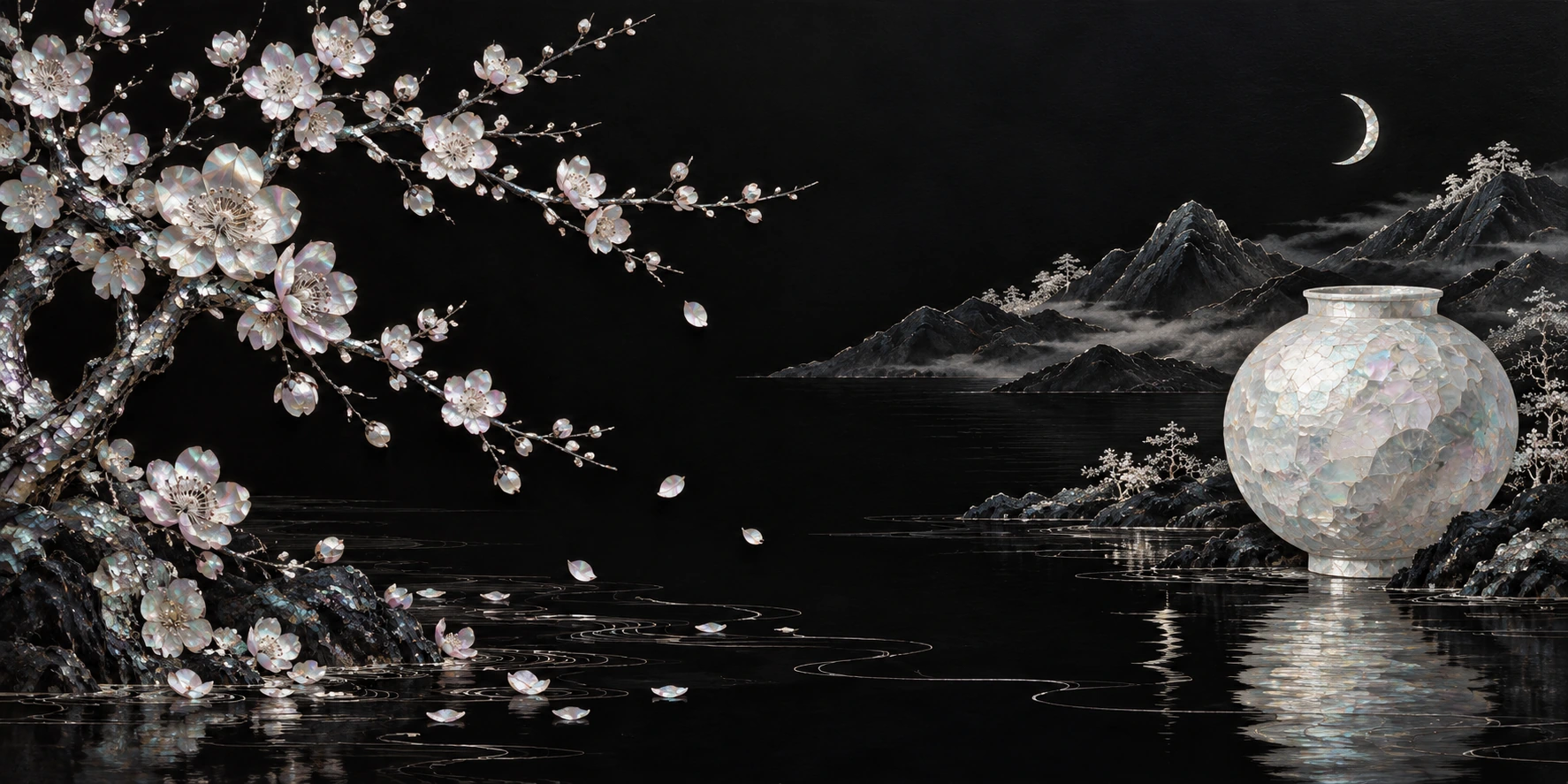
THE DESIGN IN THE LIGHT · 나전에서 착안하다
A flower we drew.
A light we borrowed.
Traditional najeon decorates lacquerware with pieces of mother-of-pearl. The National Folk Museum documents its use across boxes, furniture and everyday objects, as well as contemporary reinterpretations.
Najeon, Glimmer & Shine · National Folk Museum ↗Our flower in a nacre-inspired finish. A quiet shimmer, with materials still in development.
Pattern, finish & materials
What the Charim pattern means
The five rounded petals and central dot are our contemporary brand emblem. The quieter plum-blossom branch at the corner echoes the illustrated tea world. These are original brand motifs, rather than a copied royal insignia or an attributed historical pattern.
What the finish is
For the black paper box and diary cover, we propose a nacre-inspired printed effect: a silvery base with restrained celadon, pink and blue shifts. A print supplier must test the surface and choose a workable ink or foil process. The mockups do not establish a material recipe or genuine shell inlay.
The tiny exterior accent on the cups is a separate ceramic-decoration study. Its production method and durability need their own approval; paper printing is not a specification for a drinking vessel.
Inspect the original flower artwork ↗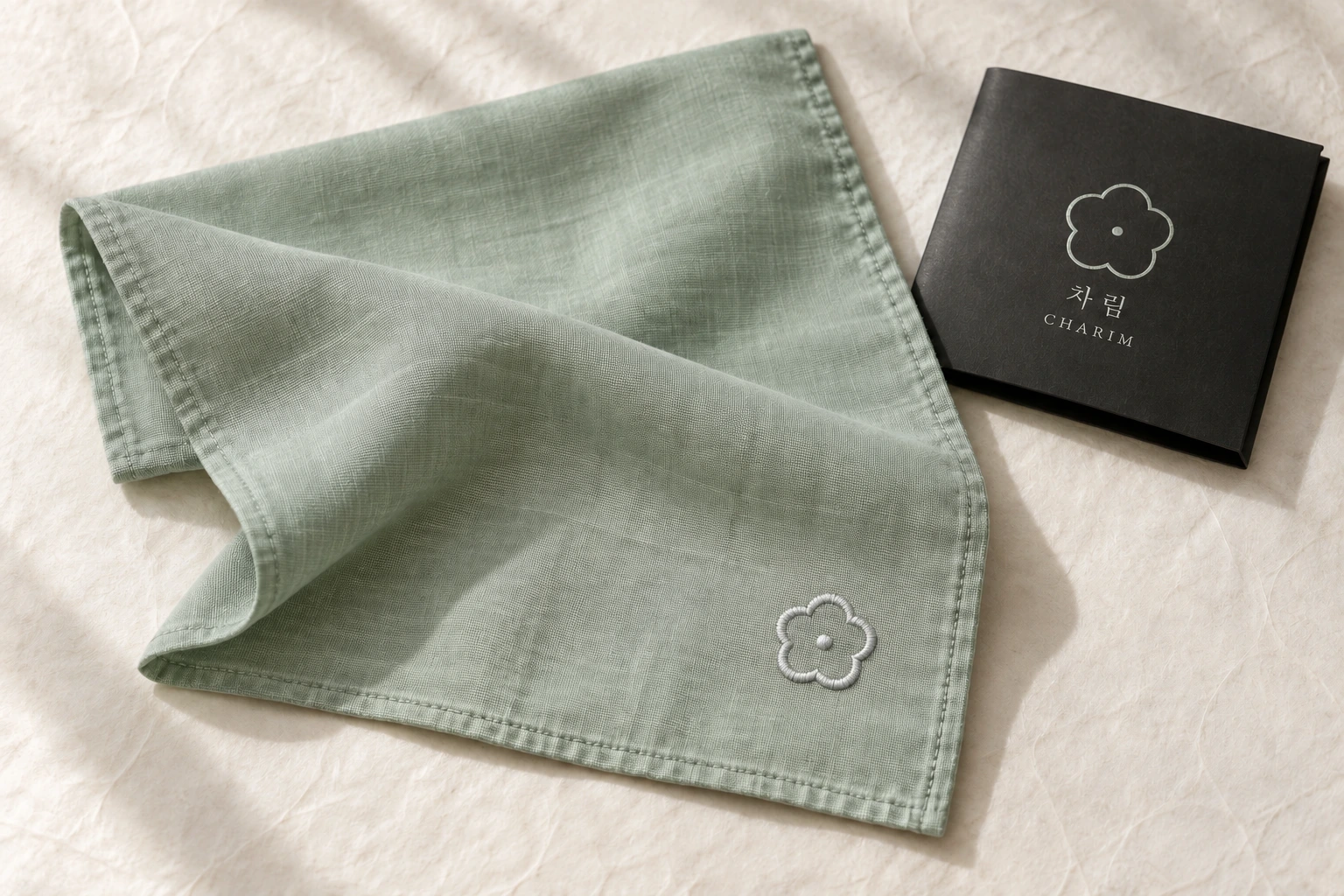
A FLOWER, IN SILVER THREAD · 자수
A small stitch.
A personal detail.
Celadon cotton-linen. A finished edge. One silver-thread flower.
Embroidery & materials
The cloth uses embroidery. The black paper sleeve and box carry a nacre-inspired printed flower. The numbered tea pouches use the original black flower logo. Each finish has its own place.
- Cloth study
- Approximately 40 × 40 cm · cotton-linen concept
- Embroidery
- Small five-petal outline and center dot in silver-toned thread
- Paper finish
- Black with a mother-of-pearl-inspired print effect
A SQUARE OF CARE · 보자기와 자수
From wrapping cloth
to a personal tea cloth.
Inspired by Korean wrapping cloth, a reusable square for your tea place.
Cloth construction & source
Bojagi, wrapping everyday life · Seoul Museum of Craft Art ↗
The current proposal is a roughly 40 cm cotton-linen square in celadon, with a finished hem and a silver-thread embroidered flower near one corner. The fiber blend, weave, shrinkage and thread must be sampled before those details become final.
Embroidery background
The embroidery reference
Korean embroidery has a range of line, fill and knot techniques. The Korean Traditional Knowledge Portal documents the work of Han Sang-su and Choi Yu-hyeon, including preparing a design, fixing the cloth in a frame and working the stitches.
Embroidery techniques & documented practitioners ↗Our sample imagery shows a raised thread effect. A hand or machine embroidery route, stitch specification, maker and country of manufacture have not yet been selected. “Korean-inspired” describes the design research at this stage.
FROM CLOTH TO KNOT · 만드는 과정
A square, made with care.
Cut. Hem. Embroider. Wrap. A proposed single-piece construction.
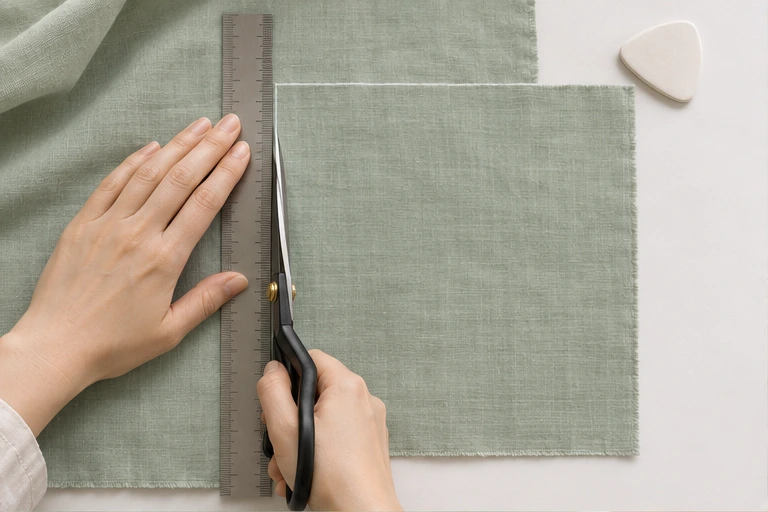 01
Cut the square
Cut the fabric square, allowing for the hem and shrinkage.
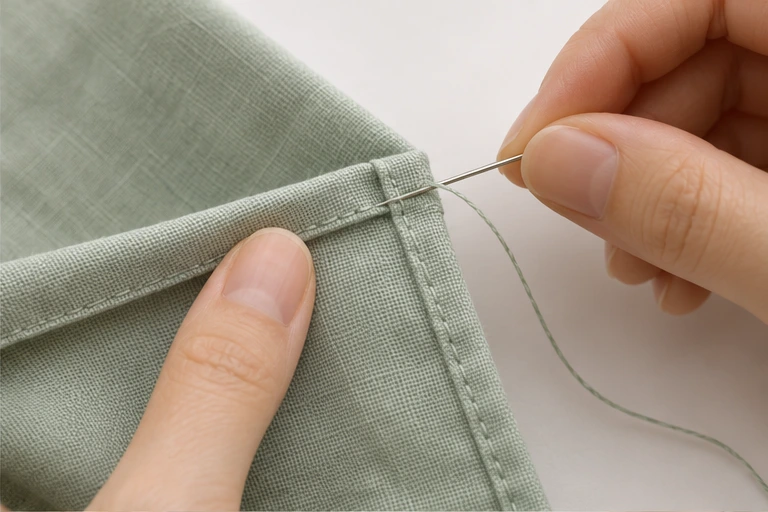 02
Finish the edges
Fold and stitch a narrow hem. Finish the corners neatly.
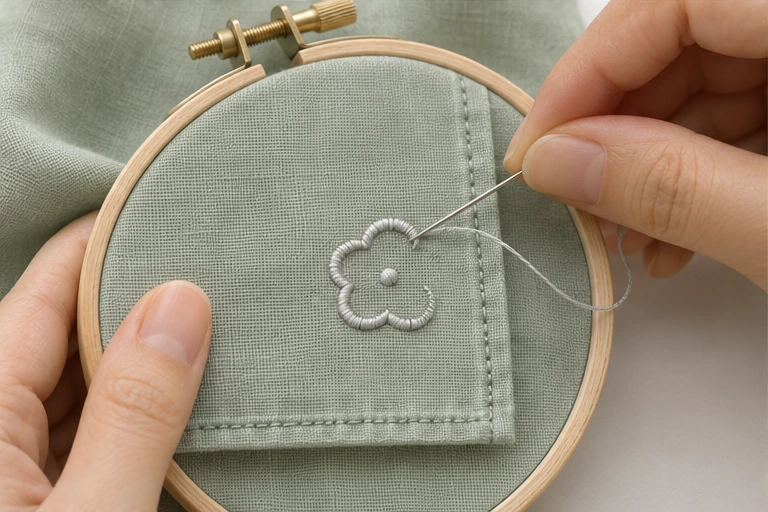 03
Stitch the flower
Stitch the small flower in silver-toned thread near one corner.
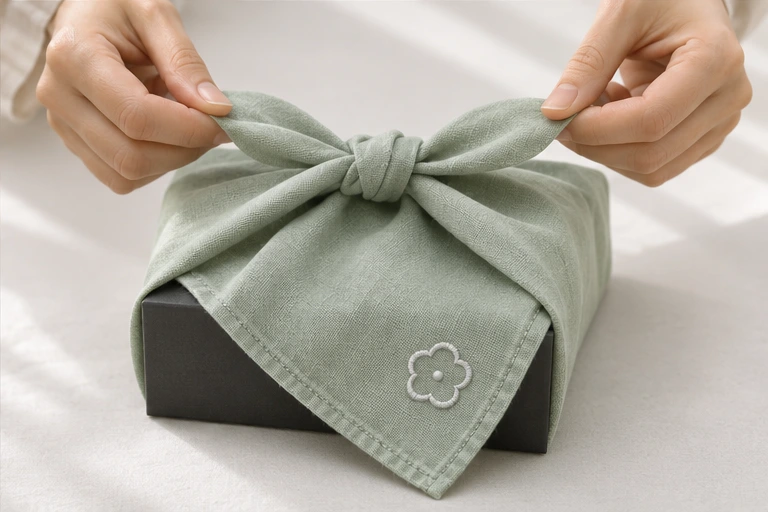 04
Finish, fold & wrap
Check the finished cloth, then fold it or wrap a small object.
Generated making concepts in celadon; Black follows the same proposed route. Final materials, method and care to be confirmed.
03 / INSIDE THE PLANNED BUNDLE
The objects.
And the reason for each.
Black or White packaging.
One white cup and one celadon Bloom cup.
01The cup pair
About this piece
One baekja-white cup and one pale celadon cup. Matching forms, pearl-like flower emblems and plain ceramic feet, without a decorative band.
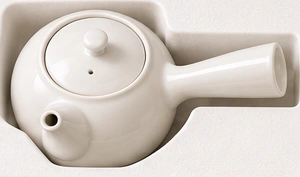 02
A small teapot
About this piece
A simple white porcelain side-handle concept, designed to sit naturally alongside the pair.
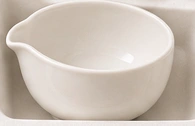 03
A cooling bowl
About this piece
A white pouring vessel to help adjust water temperature when preparing delicate tea leaves.
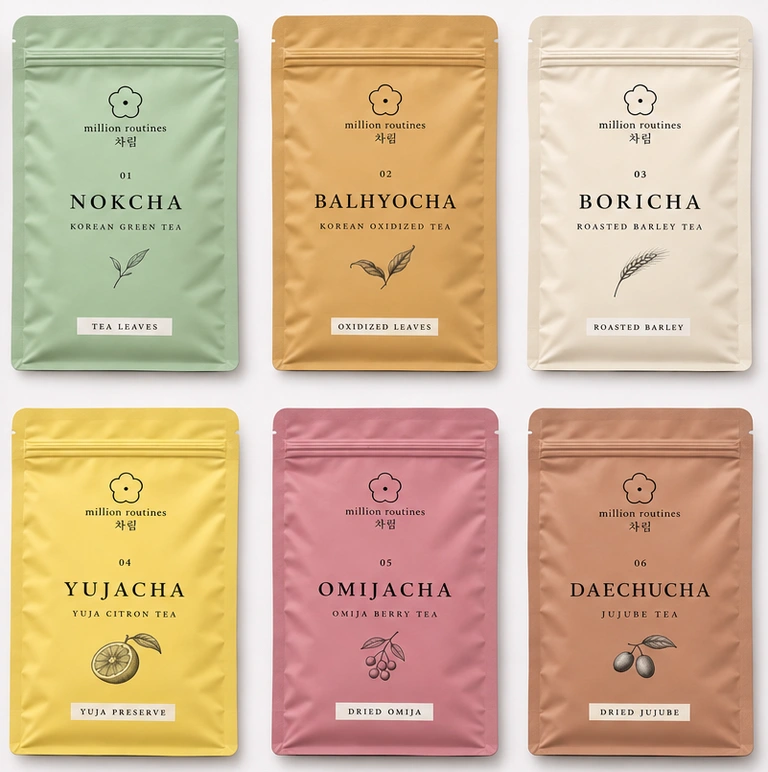 04
Six tea varieties
About this piece
Six numbered pouch concepts: green tea, oxidized tea, roasted barley, yuja, omija and jujube. Producers, recipes and quantities remain to be confirmed.
 05
A wooden tray
About this piece
A shallow tray brings the pieces together and gives the routine its own little place.
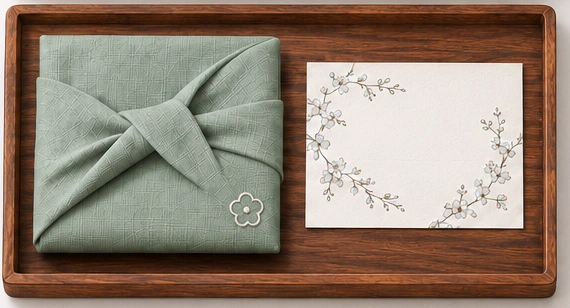
06An embroidered handkerchief
About this piece
A celadon cloth with a small silver-thread embroidered flower. Embroidery is the intended production direction; final materials are to be confirmed.
04 / THE LITTLE DETAILS
A little guidance.
A little room to make it yours.
Printed pieces designed in the same
porcelain, ink and celadon palette.
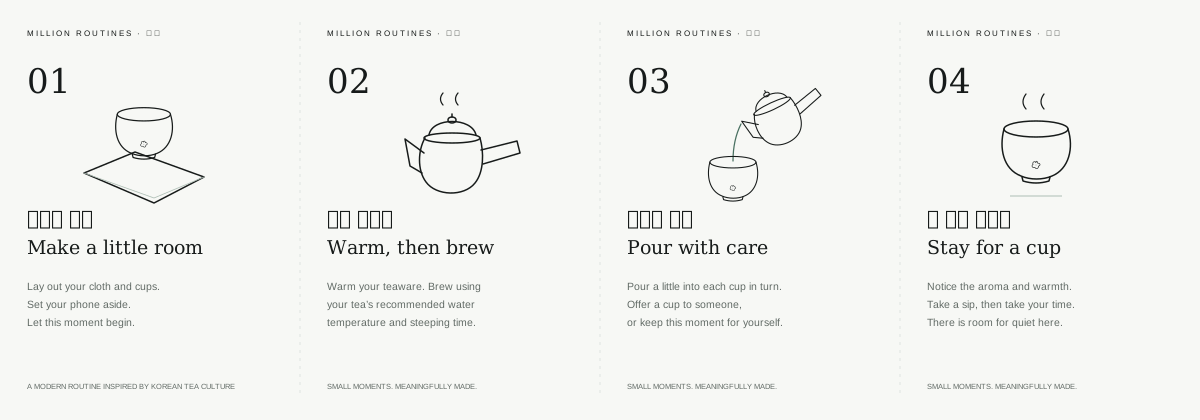
Your four-step ritual guide
A modern everyday sequence inspired by Korean tea culture. Open the design to read it in full. ↗
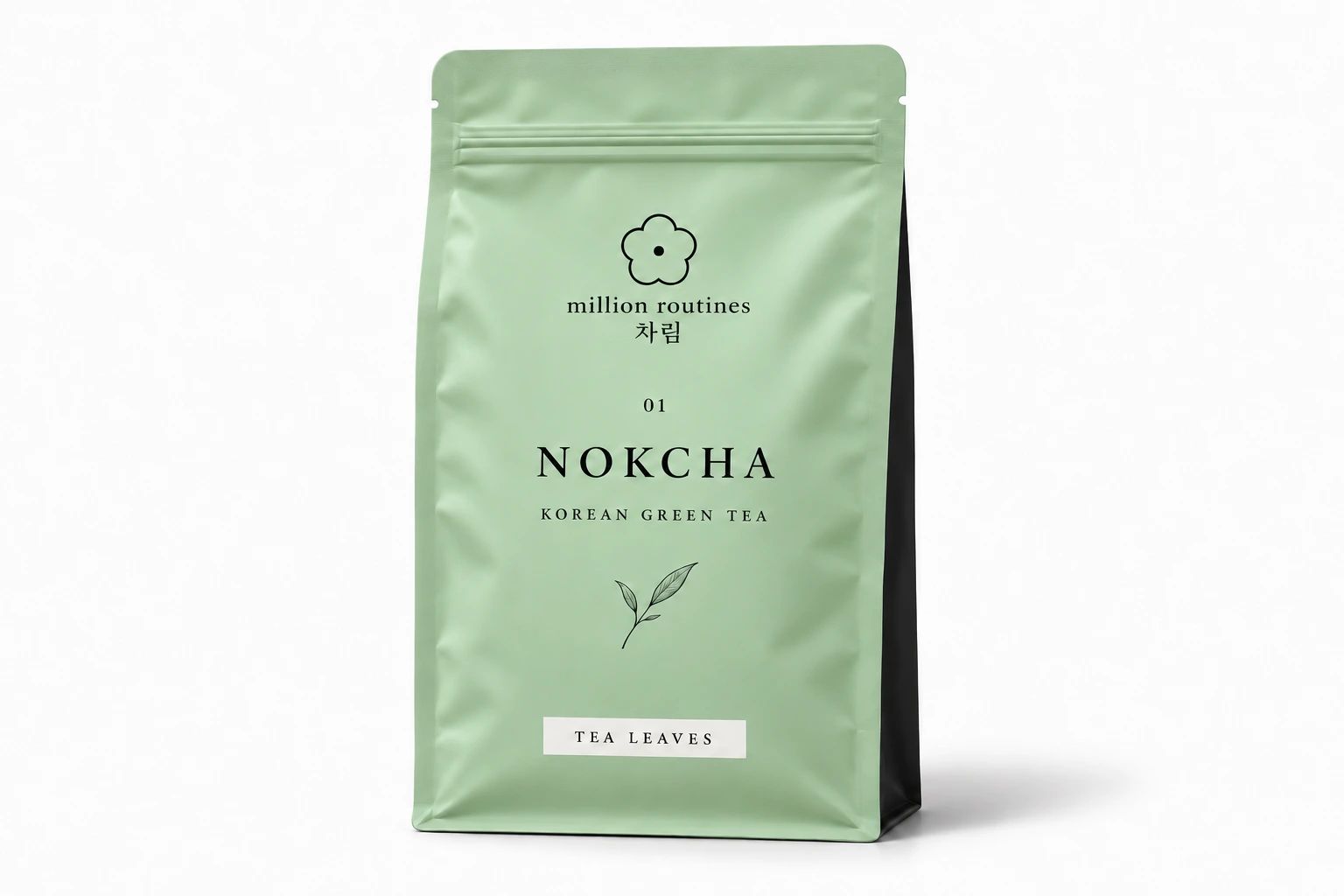
The tea label
A front-label study. Final tea details will be added once the selection is confirmed. ↗
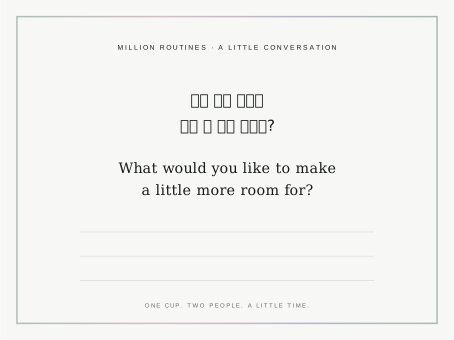
A question to share
A thoughtful prompt, with space for your own words. ↗
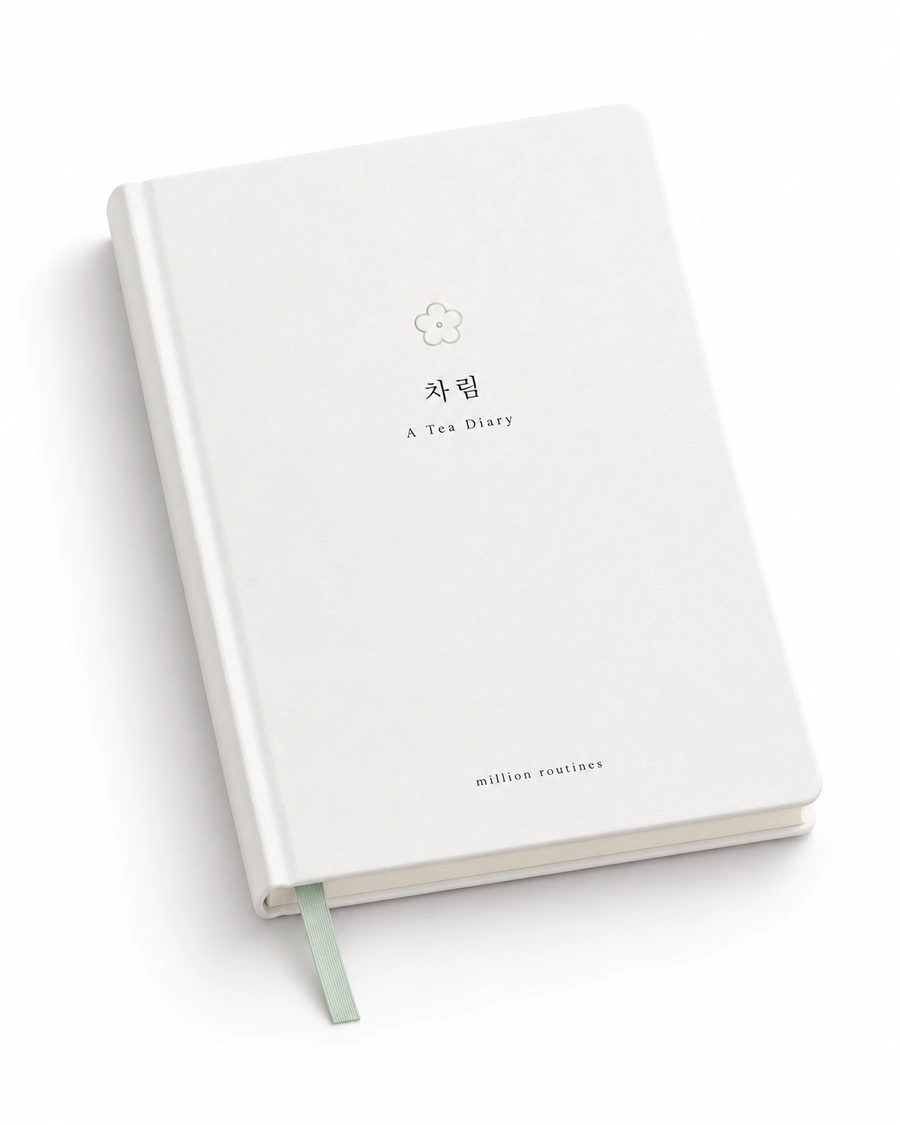
AVAILABLE SEPARATELY / A LASTING COMPANION
Keep a little
of each cup.
Thirty undated entries for the tea and the moment around it.
Meet the Tea DiaryEstimated $32 alone / +$28 with the set. Shipping and tax extra.
WHAT THE DIARY FOLLOWS · 기록의 바탕
Old tea writings.
A new place for your words.
Thirty entries, inspired by tea writings and the moments around a cup.
Historical references & diary format
Dasinjeon · 다신전
Choui Uisun’s 1830 fair copy draws on an earlier Chinese tea text. Its topics include fragrance, color and taste. Those three sensory subjects inform the diary’s tasting prompts; the diary is not a facsimile of that manual.
Dasinjeon · Encyclopedia of Korean Culture ↗Daam Sicheop · 다암시첩
The National Institute of Korean History discusses Jeong Yak-yong’s tea poems and the landscape around Dasan Chodang. This connection between tea and surroundings informs our prompts about the place, sights and sounds around a cup.
Tea, poetry & place · National Institute of Korean History ↗Dasin-gye · 다신계
The National Folk Museum documents the tea fellowship, its rules and written exchanges among Dasan’s circle. It informs our room for companions and a note to share, without turning their historical documents into a modern diary template.
See the historical documents · National Folk Museum ↗How the references become a usable format
- The Cup · left page
- Tea, date, time, origin and preparation; then fragrance, color, taste and what to change next time.
- The Moment · right page
- Where you are, what you notice, who is with you and something you want to keep.
- The rhythm
- Thirty undated two-page entries, a reflection after every ten entries and two proposed detachable message leaves.
- The physical form
- A6 / 96 interior pages. The white matte hardcover, small pearlescent flower and single celadon ribbon are our contemporary design proposal.
THE DIARY / A QUIETER DESIGN
A little less.
A little more room for you.
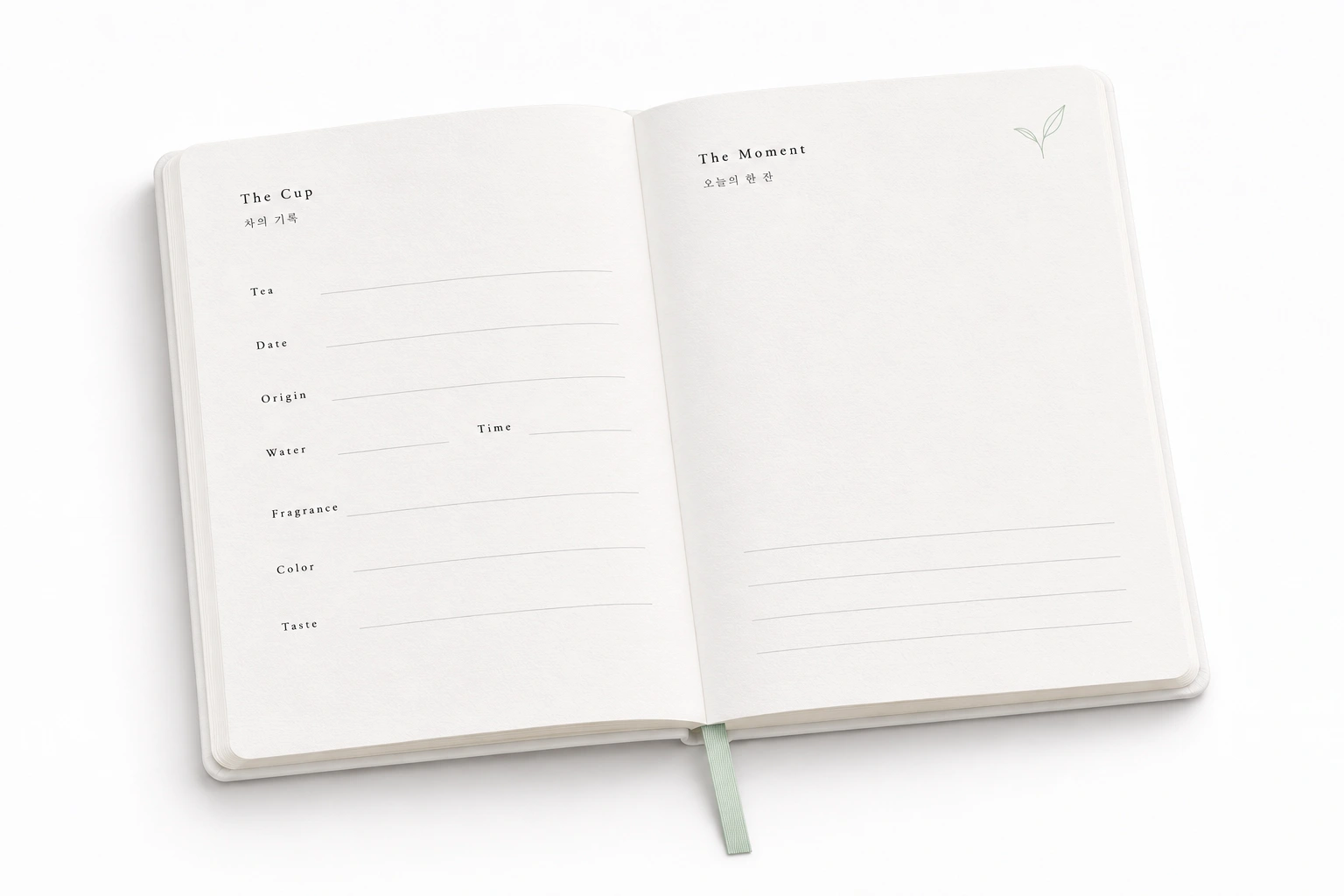
Generated design concepts. Final paper and binding to be sampled; the open spread is a refinement of the current PDF.
PEOPLE, SOURCES & WHAT COMES NEXT
Real craft references.
The details we learn from.
The leaf, the porcelain and the thread. Real references behind our contemporary designs.
Historical source images below; product imagery elsewhere is conceptual.
From the field to the cup.
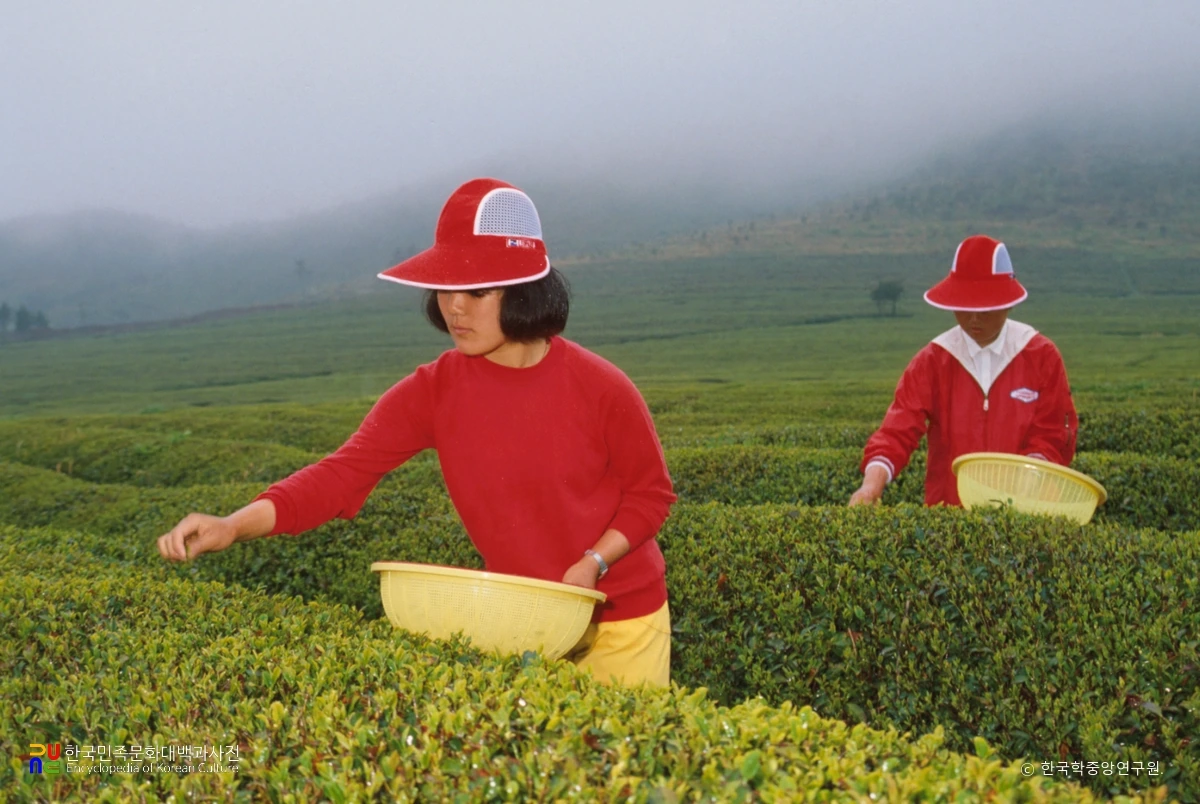
This documentary photograph shows leaves being gathered by hand.
Technique & connection
This documentary photograph shows leaves being gathered by hand. Harvesting is one part of tea making: the choice of leaves and the processing that follows both shape the finished tea.
- THE MATERIAL & TECHNIQUE
- For pan-fired green tea, the leaves are heated, rolled and dried. Deokkeum (덖음) refers to pan-firing; the producer’s process determines the final character.
- WHAT WE TAKE INTO 차림
- Our ingredient-first tea guide begins with the leaf and asks you to notice fragrance, color and taste.
A quiet white surface.
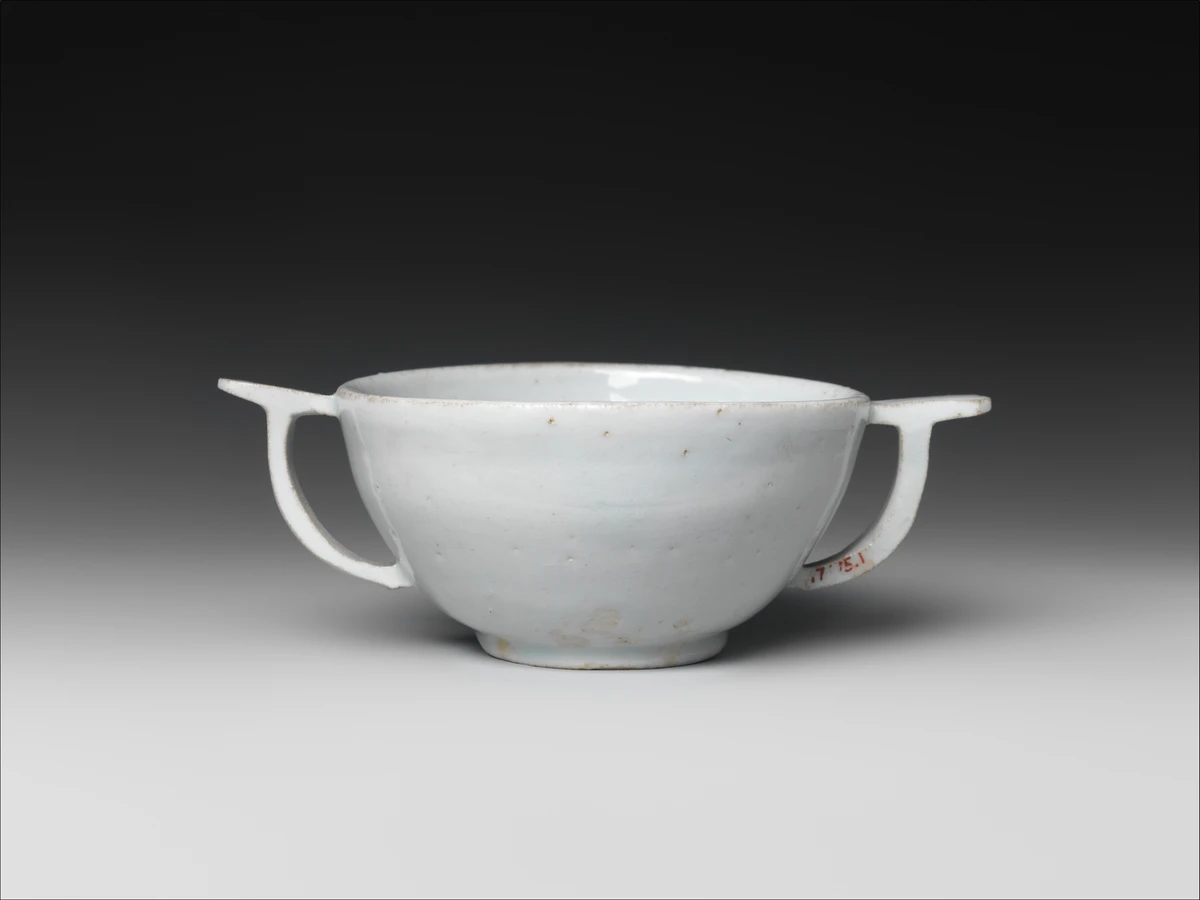
This fifteenth-century porcelain cup belonged to the setting of Confucian ancestral rites.
Technique & connection
This fifteenth-century porcelain cup belonged to the setting of Confucian ancestral rites. The Met relates its restrained white surface to the taste for undecorated porcelain at the Joseon court kilns.
- THE MATERIAL & TECHNIQUE
- Its material reference is baekja, white porcelain. This is a historical ritual wine vessel; its two handles and ceremonial use belong to its own context.
- WHAT WE TAKE INTO 차림
- The unadorned surface informs our white-and-celadon palette. Our rounded tea cup and small flower are contemporary designs.
A motif built in thread.
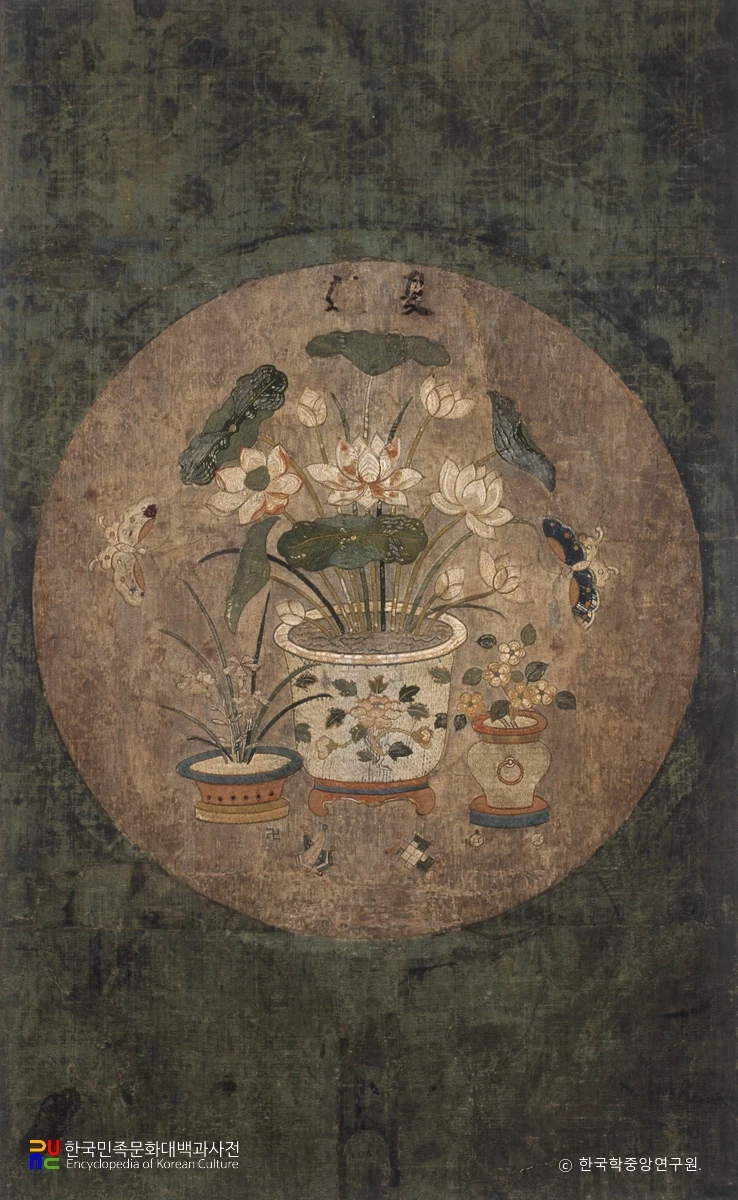
This documented embroidery shows how flowers, leaves and vessels can be translated into a stitched surface.
Technique & connection
This documented embroidery shows how flowers, leaves and vessels can be translated into a stitched surface. The image is an archival craft reference with its original credit retained.
- THE MATERIAL & TECHNIQUE
- Ieumsu (이음수) joins stitches to trace an outline; pyeongsu (평수) fills an area with evenly placed stitches. Traditional preparation includes a drawing, cloth secured in a frame, stitching and finishing.
- WHAT WE TAKE INTO 차림
- Our small embroidered flower takes the idea of a carefully worked textile into a celadon tea cloth. The final stitch and thread will be sampled with a maker.
Research references, not appointed suppliers or collaborators. Images retain their original credits and context.
SIX KOREAN CUPS · 차의 작은 도감
Get to know the tea.
From ingredient to first sip.
Six tea portraits, ingredients and tasting notes
and small invitations to notice.
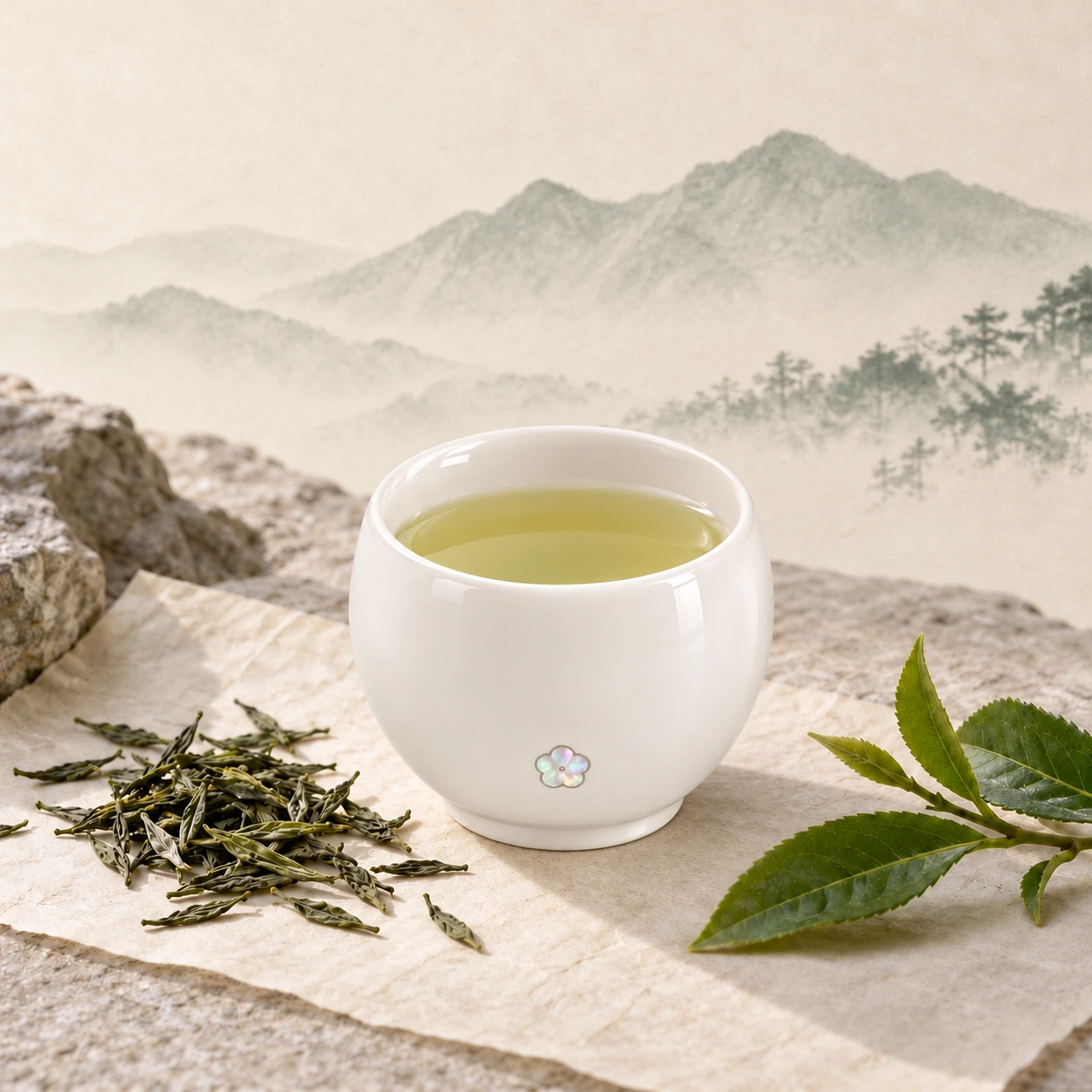
GREEN LEAF TEA
Korean green tea
Fresh leaves. A softer green.
- Main ingredient
- Processed Camellia sinensis leaves
- In the cup
- Pale yellow-green to straw
- Words to try
- Fresh greens, a gentle nutty note, a lingering finish
How to prepare it
Follow the maker’s leaf amount and water volume. Cooler water can be a useful starting point: a published sensory study compared about 3 minutes at 60°C with 1 minute at 80°C. These study conditions are a reference, not a universal recipe.
Korean green tea is made from tea leaves. Grower, harvest and processing all shape the cup; grassy or gently nutty notes are words you might try, rather than flavors every tea must have.
차나무 잎으로 만드는 녹차예요. 생산지와 가공 방식에 따라 향과 맛이 달라지니, 풋풋함과 고소함, 마신 뒤 남는 맛을 천천히 느껴보세요.
Green tea sensory study · Ewha Womans University ↗A TASTING PROMPTWhat changed between the first sip and the last?
Generated tea portraits · final selection and recipes in development. Follow each product’s preparation and ingredient label.